
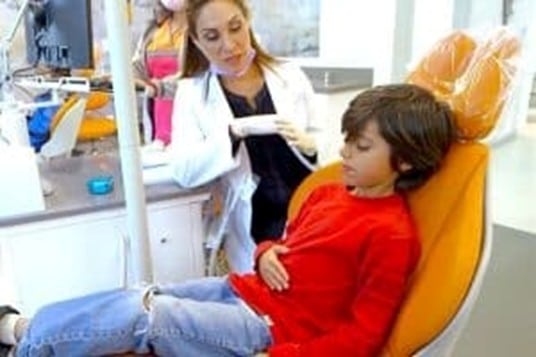
Preparing a child for their first orthodontic visit becomes easier when parents explain things in a calm and simple way. There is no need for worry, as the process is gentle and focused on understanding dental growth. A pediatric orthodontist near you helps guide this stage by checking teeth and jaw development in a friendly and comfortable setting.
What a pediatric orthodontist near you focuses on in early care
A pediatric orthodontist mainly focuses on the early growth of teeth and jaw development. The aim is to guide healthy changes before problems become bigger later. Early care is simple and gentle, helping children grow with a healthy smile.
A pediatric orthodontist near you usually checks:
- Teeth alignment
- Jaw growth patterns
- Bite position
- Early signs of crowding or spacing
Signs your child may need an early orthodontic evaluation
Some signs parents can notice include:
- Teeth looking crowded or spaced
- Difficulty chewing or biting food
- Early or late loss of baby teeth
- Mouth breathing habits
- Jaw shifting while talking or eating
These signs may mean it is time for an early check-up.
How to explain the visit in a simple and stress-free way to your child
Children feel better when things are explained in a simple way. Tell them it is just a friendly check for teeth, not something painful. Avoid scary words and keep the tone light. A calm explanation helps reduce fear and builds trust before the visit.
What usually happens during the first orthodontic consultation
The first visit is simple and gentle. It usually includes:
- Looking at teeth and gums
- Checking bite and jaw position
- Taking X-rays or photos if needed
- Understanding growth and future needs
Why jaw alignment and bite checks are important, including TMJ screening
Jaw alignment affects chewing, speaking, and comfort. Bite problems can cause long-term issues if not checked early. That is why jaw and bite checks are an important part of early orthodontic care.
How a TMJ Specialist near you evaluates jaw comfort and growth concerns
A TMJ Specialist near you checks how the jaw moves during talking and chewing. They also look for clicking sounds, tightness, or discomfort in the jaw area.
A TMJ Specialist may also:
- Observe jaw movement
- Check joint balance
- Review growth patterns
- Look for signs of strain
Making the first visit smooth, calm, and comfortable for your child
Simple steps can help make the visit easier:
- Talk in a positive way
- Avoid fear or pressure
- Bring a comfort item
- Schedule at a calm time
- Stay relaxed as a parent
Schedule a Consultation with a Pediatric Orthodontist Near You
A child’s first orthodontic visit is an important step toward building a healthy and well-aligned smile. With the right guidance, this experience can feel simple, calm, and easy to understand for both parents and children. A pediatric orthodontist near you helps ensure that early dental growth is checked carefully so any small issues can be managed at the right time.
For families looking for supportive and patient-focused orthodontic care, Nikaeen Orthodontics provides a friendly approach that helps children feel safe and comfortable during every stage of their dental journey.
FAQs
- Why should children see an orthodontist early?
Early visits help guide jaw growth, detect small issues, and prevent bigger problems later, making treatment simpler and more effective over time. - At what age should a child first visit?
Most children should have an early check-up around age seven so growth and alignment can be properly monitored. - Is the first orthodontic visit painful?
No, the first visit is gentle and simple. It usually includes checking teeth, taking photos, and explaining future care. - Why is TMJ screening important for kids?
It helps check jaw joint health early, ensuring proper movement and preventing discomfort or alignment problems later in growth. - How can parents reduce a child’s fear before the visit?
Parents can explain the visit in simple words, stay calm, avoid scary terms, and create a positive expectation about the check-up.